The fastest path from search to shovel.
Two weeks can cost a hyperscaler a year.
Why now
In the first half of 2026, nearly $200 billion in U.S. data center projects were blocked or delayed by local opposition.
The fastest projects are the ones where power, local rules, and community support line up from the start.
GATE 1 · POWER
4 years
National average wait to connect a large load, up from 12 to 18 months before 2022.
JLL 2026, via Construction Owners
GATE 2 · REGULATION
11 states
With active moratorium bills, pausing projects for 3 months to 4 years.
TNW, citing MultiState
GATE 3 · LOCAL RESISTANCE
70%
Of Americans oppose a data center in their area. Opposition groups doubled in about three months.
Gallup and Data Center Watch, via TNW
CLEARS ALL THREE
~20%
Of U.S. land, and hyperscalers race each other for it.
Estimate from a hyperscaler site-selection lead
Where the time goes
Site selection takes months of research across brokers, engineers, attorneys, and utilities, all before a single permit is filed.
The information that decides whether a site works, like power capacity, zoning, and community support, can take weeks, months, or a year to surface. By then, that time is already sunk.
TODAY
Weeks to months
MW load, acreage, fiber, go-live date
WHAT GOES WRONG
Nothing new here.
This step is the same with or without Site Feasibility.
SITE FEASIBILITY · SETUP
Captured at setup: asset type and county
Site selection typically runs 6 to 12 months. Permitting adds 6 to 18. Avisen Legal · RSP Engineers · Construction Owners, citing JLL
How it works
Site Feasibility shortens the path to shovel.
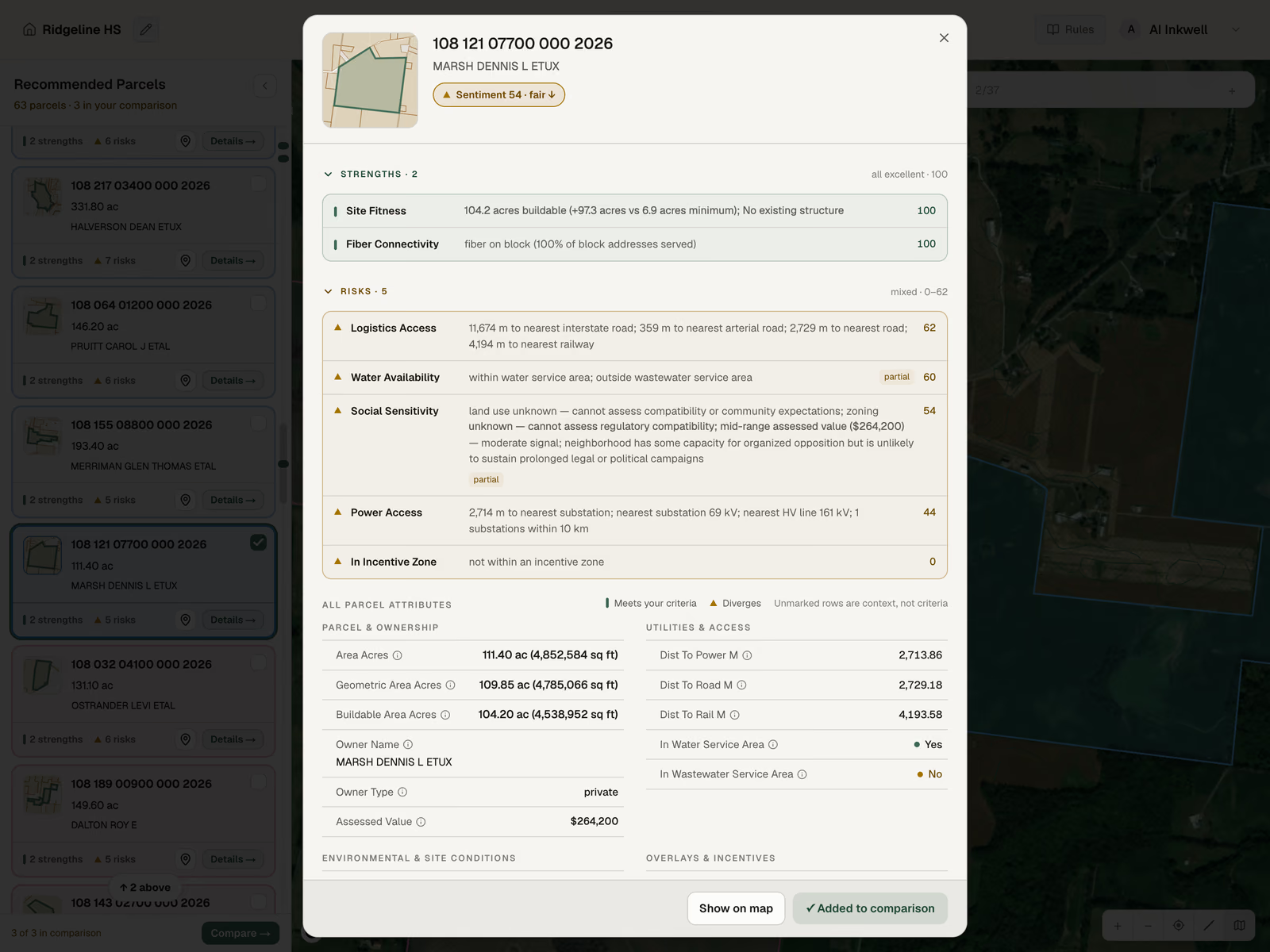
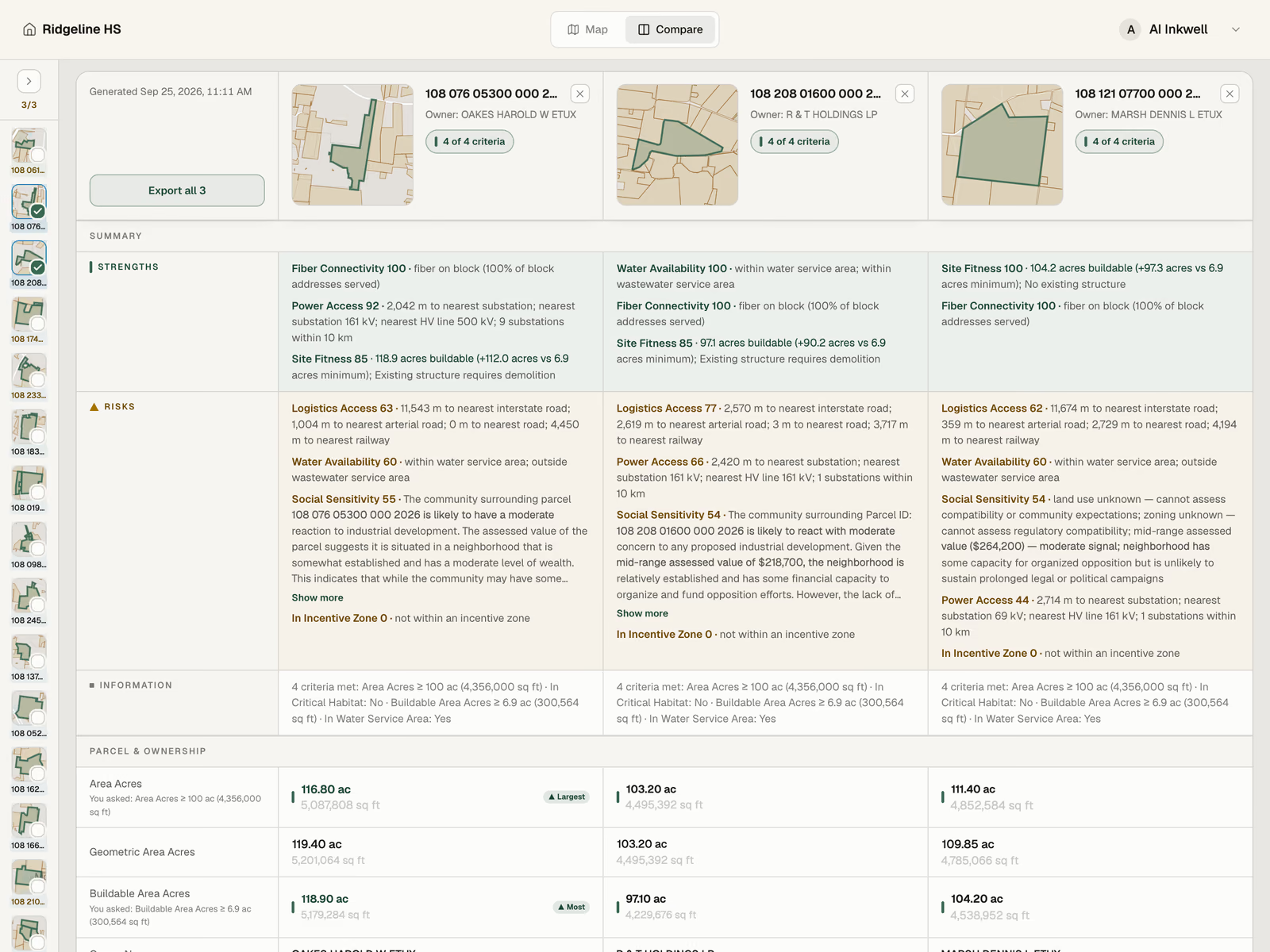
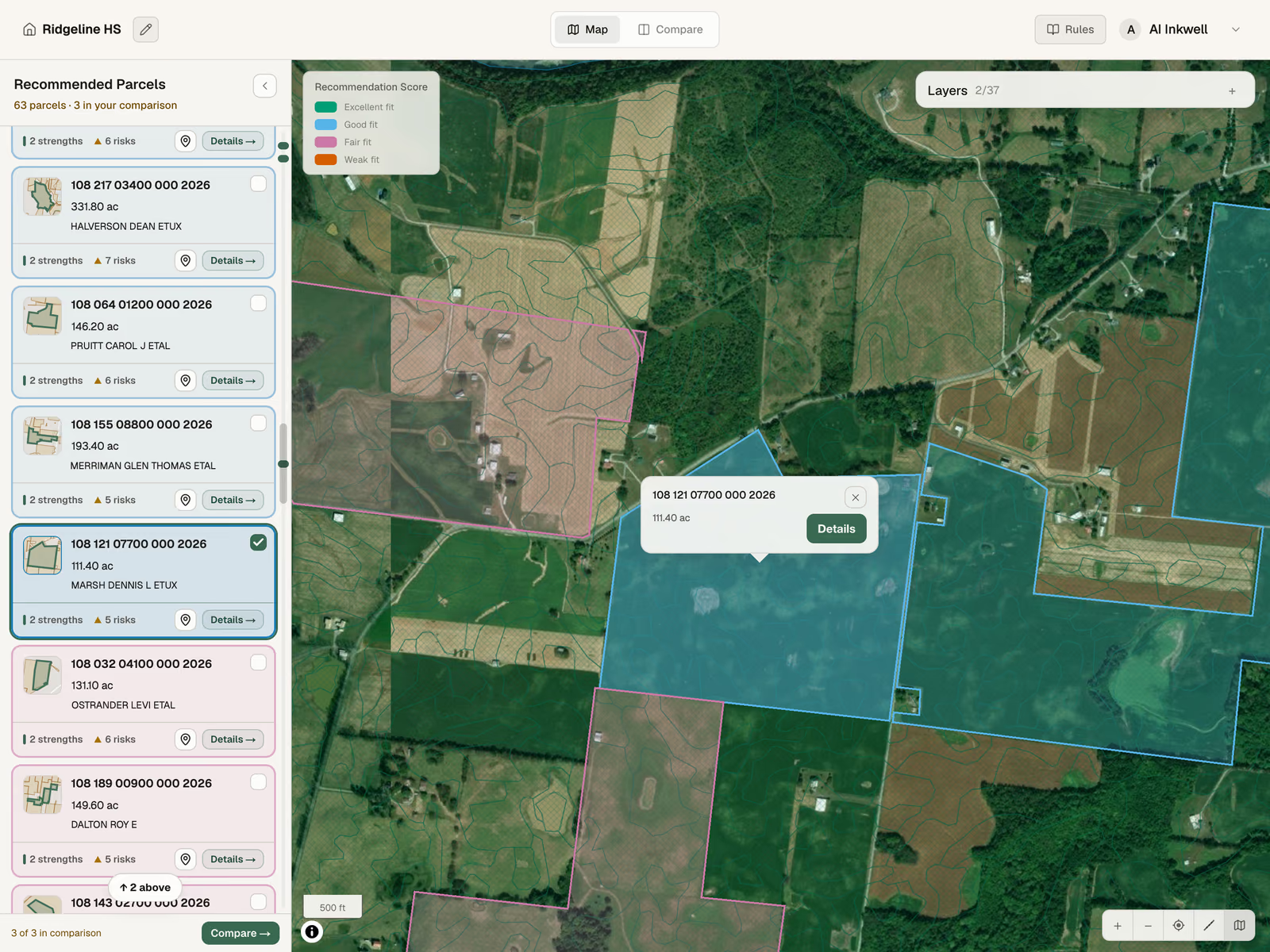
It screens a county for power, zoning, local rules, and community sentiment within minutes, including what bringing your own power opens up.
Every result cites the rule behind it.